9+ curated guides • Updated November 2025
In 2022, Burberry released a silk scarf to commemorate the Queen's Platinum Jubilee, and it promptly sold out. But this created a fascinating paradox for its new owners: do you wear a piece of history, or do you preserve it? This single accessory reveals more about our relationship with memory, monarchy, and luxury than any history book ever could. It is not merely an object of fashion but a cultural artifact wrestling with its own purpose. This article deconstructs the scarf not as clothing, but as a 'soft monument'—a tangible piece of a national fairy tale, leaving its custodians in a state of reverent paralysis.
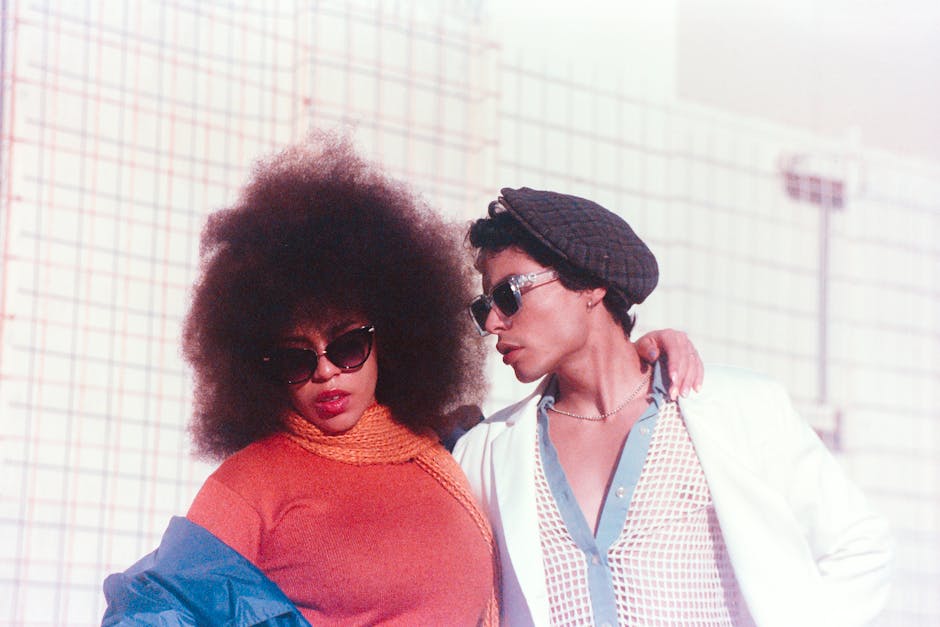
You've seen the photos: a silk scarf tied as a bohemian headband or knotted at the neck of a disco queen. But what if that simple piece of fabric was more than just a fashion statement? In the 1970s, the way you wore your scarf was a secret code, broadcasting your tribe and your beliefs to the world. This wasn't just about aesthetics; it was a socio-political broadcast worn around the neck, head, or wrist. In a decade fractured by the Vietnam War, civil rights movements, and economic uncertainty, personal style became a primary vehicle for self-identification. And the humble scarf, accessible and versatile, became its most potent and nuanced messenger.
That gaudy Art Deco brooch you inherited might be more than just a pretty accessory. Tucked away in jewelry boxes across the world are pieces made from some truly wild materials—think plastic derived from milk and even glass that glows under a blacklight because it’s radioactive. Before you dismiss your vintage finds as simple 'costume' pieces, let's uncover the forgotten science that makes them truly remarkable. As a collector who lives for the story behind the object, I find that the real treasure isn't just the design, but the audacious, experimental, and sometimes downright bizarre materials that artisans and chemists of the past used to craft these miniature works of art. This is where history, chemistry, and fashion collide.
We've all bought the 'miracle' serum a celebrity swears by, hoping to capture a fraction of their red-carpet glow. But what if that $150 cream is less than 1% of the real story? The truth is, flawless celebrity skin isn't bought at a beauty counter; it's an institution built on a budget that could rival a small start-up. My sources, who manage the finances for A-list talent, have let me see the spreadsheets. Forget the sponsored Instagram posts and the 'get ready with me' videos. We're about to dismantle the real architecture of celebrity skin—a meticulously managed, six-figure-plus annual investment in cellular-level wellness that makes topical products little more than a finishing touch.
We’ve been taught that luxury is meant to be seen—the unmistakable logo on a handbag, the flash of a designer watch. But what if the most profound luxury is the kind no one else ever notices? This is the world of private indulgence, where the ultimate status symbol is a secret kept only for yourself. For years, I navigated the gilded halls of heritage brands, watching fortunes being spent on items designed to broadcast success. Yet, the clients I most admired were the ones who purchased for an audience of one. They understood that true luxury isn't a shout; it's a whisper. It's the intimate dialogue between you and a beautifully crafted object, a conversation no one else needs to overhear.
Sure, you know Bruce Springsteen and Jon Bon Jovi are from New Jersey, but have you ever considered why their art feels the way it does? We're moving beyond the trivia to explore the 'Jersey DNA'—the invisible thread of ambition, loyalty, and defiant pride that connects the Garden State's most iconic figures, from the Sopranos' suburbs to Whitney Houston's church choir. New Jersey is more than a punchline or a place you pass through on the way to somewhere else; it's a crucible. It’s a state defined by its proximity to power (New York City, Philadelphia) yet fiercely independent in its identity. This unique position, a blend of blue-collar struggle, sprawling suburbia, and seaside escapism, doesn't just produce famous people. It actively shapes their art, their ethics, and the very texture of their public personas. Forget 'what exit?'; the real question is how the exit shaped the artist.
You've seen them a thousand times: A-list actors, musicians, and influencers sitting courtside, seemingly lost in the game. But what if that premium seat is less about fandom and more about finance? We peel back the curtain on the NBA's most exclusive real estate, revealing it not as a spectator sport, but as a calculated power play in the complex economy of modern celebrity. This isn't about watching basketball; it's about being watched, and every single detail is meticulously curated for maximum impact. The courtside seat is the modern throne, and the game is for influence.
Stop blaming your watery filling on 'too much mayo' and your rubbery whites on bad luck. The perfect deviled egg isn't a matter of opinion; it's a matter of science. This recipe decodes the chemistry behind the perfect yolk emulsion and flawless egg texture, turning your simple appetizer into a culinary masterpiece. We're not just following steps; we're manipulating proteins, stabilizing fats, and architecting flavor at a molecular level. By understanding the 'why' behind each technique—from the gentle coagulation of egg proteins to the powerful emulsifying properties of lecithin in the yolk—you gain complete control over the final product. This is where the kitchen meets the laboratory, and the results are predictably delicious.
Your suit is a uniform, a carefully constructed armor for the modern world. But while everyone else obsesses over the perfect tie knot or a crisply folded pocket square, the most powerful statement is being made in a place they least expect: your lapel. This small piece of real estate, so often overlooked, is the final frontier of personal expression in menswear. It’s where the uniform ends and the individual begins. Forget seeing the brooch as a mere decorative flourish; it is your sartorial signature, a condensed narrative that communicates your values, your history, and your intent before you've even spoken a word.